
In the modern food processing industry, an efficient canned meat production line is crucial for enterprises to enhance production capacity, stabilize product quality, and optimize workshop processes. A well-designed production line layout not only boosts efficiency but also reduces operational costs, minimizes downtime, and ensures the continuity and safety of the production process. This article provides practical reference suggestions for preparing to build or upgrade a canned meat production line, focusing on machine configuration, process sequencing, and layout optimization.
Designing Production Line Layout Based on Overall Process Flow
A standard canned meat production line typically encompasses the following key stages:
Raw Material Pre-processing → Empty Can Washing → Filling → Vacuum Sealing → High-Pressure Sterilization → Cooling → Labeling & Packaging → Finished Product Storage.
Each stage involves multiple core pieces of equipment, including automatic washing machines, precision filling machines, vacuum sealing machines, and high-pressure sterilization autoclaves. These stages should be arranged in a smooth "straight line" or "U-shaped" flow to minimize material handling and equipment interference. Such layouts not only facilitate efficient logistics but also effectively reduce production losses and waiting times.
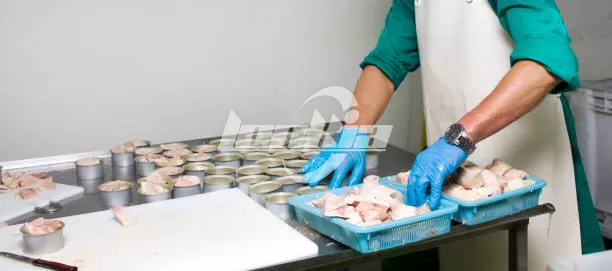
Key Equipment Layout and Flow Optimization
● Raw Material Pre-processing Zone (Cutting, Mixing)
The pre-processing zone handles the initial steps of cutting, mixing, and seasoning frozen or fresh meat.
- Meat cutting machines and vacuum mixing equipment should be positioned near the raw material storage area.
- The assembly line design must minimize cross-contamination risks, ensuring ingredients reach a stable state before advancing to subsequent stages.
The rationality of this equipment layout directly impacts the load capacity and production stability of downstream filling machines.
● Empty Can Washing and Filling Zone
Canned food processing requires sterile, clean packaging containers. Empty can washers should be positioned immediately before filling machines with seamless conveyor integration. This design ensures washed containers enter filling promptly, preventing backlogs that could halt production. Precision can filling stations must have ample space for unobstructed visibility, enabling operators to adjust parameters promptly.
● Sealing and Sterilization Zone
After filling, canned products proceed to sealing machines and high-pressure sterilization equipment. Autoclaves are typically the largest units in the canned meat production line, requiring heat sources and thermal insulation. Therefore, they should be positioned on the side of the workshop farthest from the entrance to minimize thermal impact on other equipment and personnel activities. Properly planning the length of conveyor belts before and after ensures continuous operation during sterilization, preventing bottlenecks that could slow down upstream filling speeds.
Spatial Planning Recommendations
✔ Prioritize Unidirectional Flow
Avoid backtracking or cross-flow in production layouts. Sequence different processing stages chronologically to minimize interference between personnel and materials, enhancing efficiency.
✔ Reserve Maintenance Access
Ensure adequate service corridors between major equipment and allocate space for routine maintenance. For example, a passageway between the filler and sealer allows rapid troubleshooting or component replacement.
✔ Prioritize ventilation, drainage, and safety access
Proper ventilation and drainage planning facilitates workplace cleanliness and extends equipment lifespan, creating a more standardized and secure production environment.
Advantages of Rational Layout
A scientifically designed canned meat production line layout resolves the following practical challenges:
- Reduce manual handling and waiting time: Scientific equipment layout ensures a smooth flow from raw materials to finished goods.
- Increase equipment utilization and output capacity: Layout considerations for equipment cycle synchronization and load balancing contribute to stable overall production growth.
- Facilitate maintenance and expansion upgrades: Reserved equipment maintenance space allows for future additions like automated modules or robotic upgrades.
For instance, when planning canned meat production lines, selecting a turnkey solution provider like Lonkia not only delivers detailed process design drawings but also develops optimal layout plans based on workshop space and output requirements, thereby boosting production efficiency.
📌 Summary: Layout determines efficiency; process determines quality
A rational canned meat production line layout transcends mere equipment sequencing—it constitutes a systematic engineering approach to enhance production efficiency, ensure food safety, and optimize operational costs. From raw material pre-processing to thermal sterilization, the positioning and interrelationship of each piece of equipment must be comprehensively evaluated based on actual production capacity requirements, workshop floor space, and future maintenance needs. Only through scientific planning can machinery maximize its value within limited space, elevating overall canned meat production line efficiency and delivering superior return on investment for customers.