

How to Select a Reliable Sardine Canning Factory Supplier?
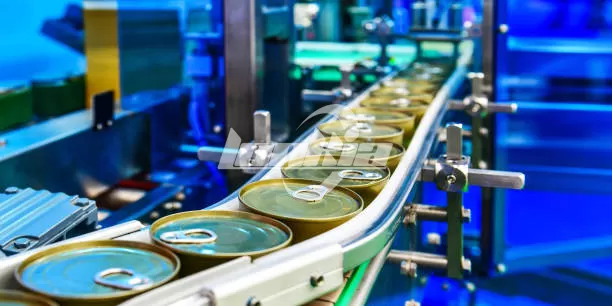
For companies planning to build or upgrade a sardine canning plant, the choice of equipment supplier often directly impacts the project's success or failure. Many customers focus too much on equipment prices during procurement, while neglecting sardine canning factory stability, process design capabilities, and after-sales support. In fact, a mature sardine canning production line is not merely a simple combination of a few pieces of equipment, but a complete processing system. So, how do you choose a truly reliable supplier for a sardine canning production line?
Learn MoreTurnkey Sardine Canning Factory Solution From Fish Processing to Packaging
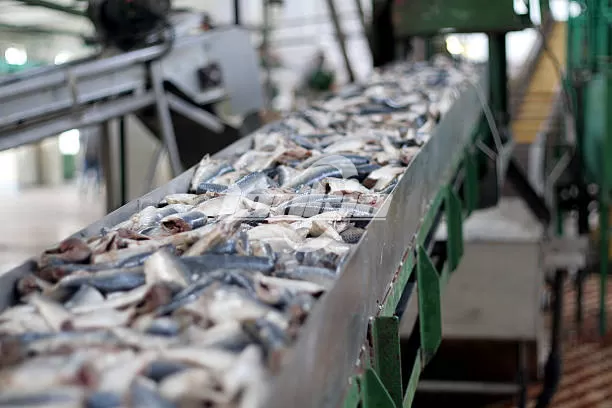
As the global ready-to-eat seafood market continues to grow, more and more companies are investing in sardine canning projects. However, for many procurement managers, the real challenge is not purchasing individual pieces of equipment, but rather how to build a complete sardine canning factory that operates reliably, efficiently, and sustainably. A well-established sardine canning factory should cover multiple stages—including raw material handling, pre-processing, can filling, sealing, sterilization, and packaging—while ensuring seamless coordination between each process.
Learn MoreSardines Canning Line Price Guide: What Affects the Total Investment?
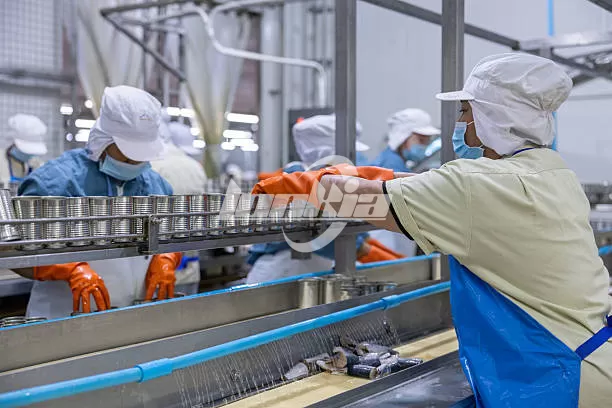
As market demand for canned fish products continues to grow, an increasing number of food processing companies are turning their attention to the procurement of sardine canning lines. During consultations, many clients find that prices for sardines canning lines vary significantly among different manufacturers. In fact, the factors influencing equipment prices go beyond production capacity alone; they are closely related to equipment configuration, the degree of automation, the quality of core components, and long-term operational stability. For clients planning to build a canned fish processing plant,…
Learn MoreHow to Choose a Reliable Canned Beef Production Line Supplier?
In the food processing industry, selecting a stable and efficient canned beef production line essentially means choosing a technology supplier for long-term partnership. Rather than focusing on individual equipment specifications, customers are more concerned with: Does the entire canned meat production line operate reliably? Is the product safe and consistent? Is it easy to maintain in the long run? This article provides practical insights from the perspectives of procurement and production to help you systematically assess a supplier's capabilities and avoid investment risks.
Learn MoreCommon Problems in Canned Food Production Line and How to Solve Them
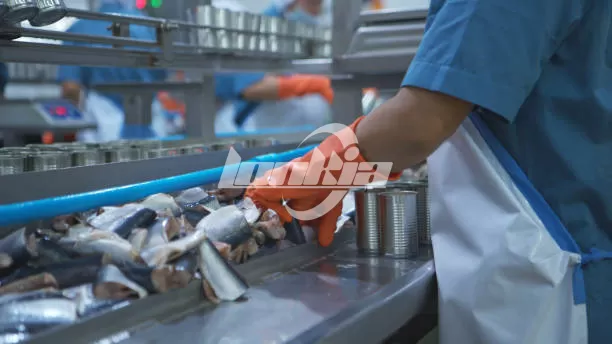
In actual production, the stability of the canned food production line and product consistency directly impact a company's production efficiency and market competitiveness. However, many customers encounter issues of varying severity during operation. This article will summarize common problems and provide practical solutions to help improve the overall performance of the production line.
Learn MoreFish Canned Production Line Complete Equipment Guide for Beginners
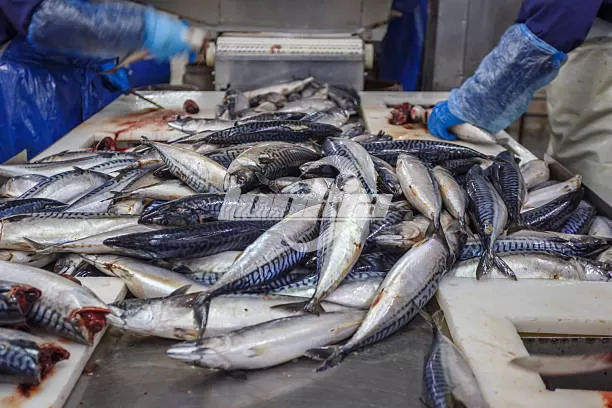
For customers new to the seafood processing industry, understanding a complete fish canned production line does not require mastering complex technical details. What matters most is how the production line operates, what challenges it addresses, and how it helps you achieve stable production. This article will help you quickly grasp the overall structure and key points of the line in a concise and clear manner, enabling you to make more efficient equipment decisions.
Learn MoreHow to Start a Canned Fish Production Line Business?
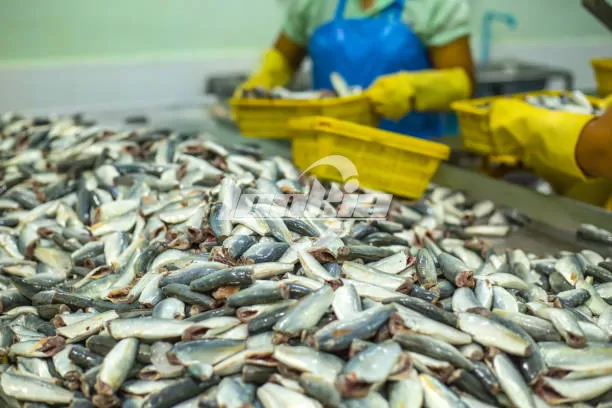
With the continuous growth in demand for seafood, canned fish has become one of the key products for many food processing companies. For businesses looking to enter this industry, the most critical issue is not simply purchasing equipment, but rather how to establish a stable and efficient canned fish production line. From the production process and equipment selection to production stability, proper planning of every step is essential to ensure the factory operates smoothly and remains profitable.
Learn MoreCanned Tuna Production Line Capacity: How Many Cans Per Hour?
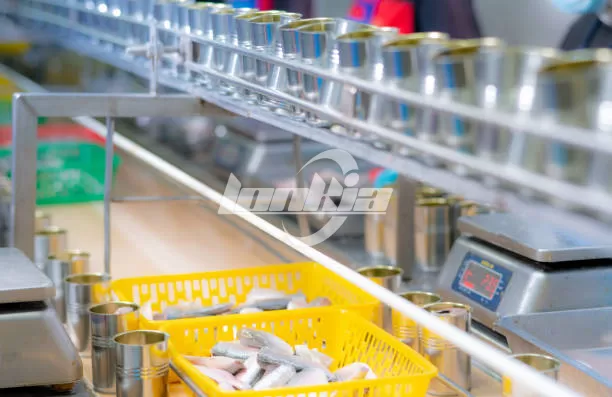
When selecting a canned tuna production line, many customers first focus on production capacity—for example, how many cans can be produced per hour. However, in actual projects, production capacity is not a fixed number; rather, it is determined by the combined operational status of the entire production line. Rather than looking solely at equipment specifications, it is better to start with the production process itself to understand how production capacity is determined.
Learn MoreUltimate Guide to Canned Fruit Production Line: Machines, Features, and Benefits
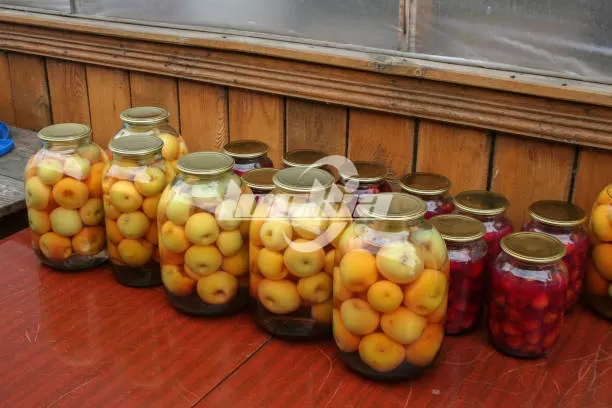
The canned fruit production line is a critical facility enabling modern food processing enterprises to achieve large-scale, standardized, and efficient production. Whether processing peaches, pineapples, or mixed fruit products, every machine directly impacts final product quality and production efficiency—from raw material washing to finished product packaging. This article provides an in-depth analysis of equipment composition, core functions, and the practical application value most valued by customers, helping you quickly understand how to select and operate a high-quality canned fruit production…
Learn MoreSpace and Layout Tips for Installing a Sardine Canning Plant
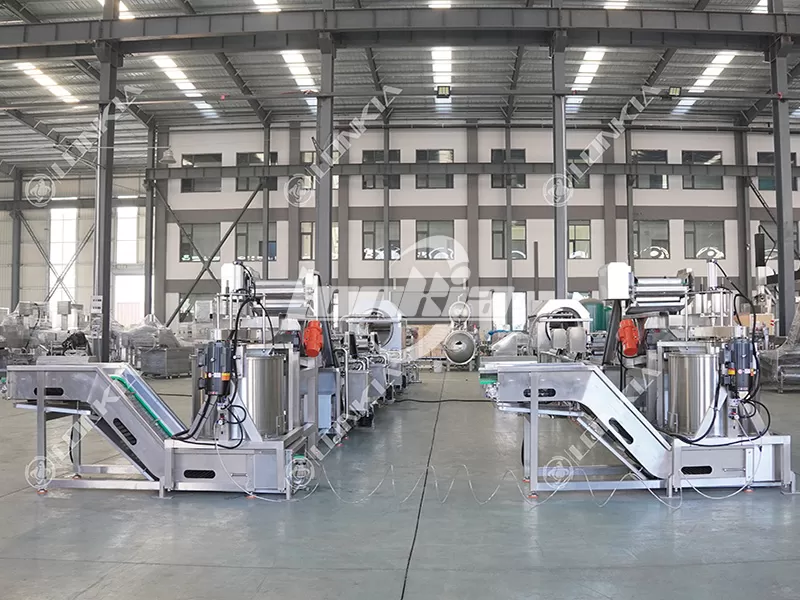
When establishing an efficient sardine canning plant, the spatial planning of the facility and the layout of key equipment determine production efficiency, the smoothness of daily maintenance, and product consistency. This guide will help clients planning or upgrading sardine canning production lines address practical issues from the perspectives of machine configuration and on-site processes.
Learn MoreCanned Meat Production Line Layout: Space Planning and Workflow Optimization
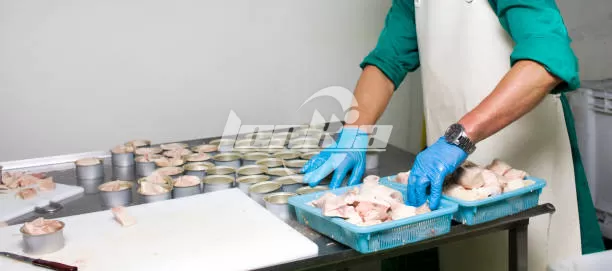
In the modern food processing industry, an efficient canned meat production line is crucial for enterprises to enhance production capacity, stabilize product quality, and optimize workshop processes. A well-designed production line layout not only boosts efficiency but also reduces operational costs, minimizes downtime, and ensures the continuity and safety of the production process. This article provides practical reference suggestions for preparing to build or upgrade a canned meat production line, focusing on machine configuration, process sequencing, and layout optimization.
Learn MoreWhat Is a Vacuum Capping Machine and How It Works?
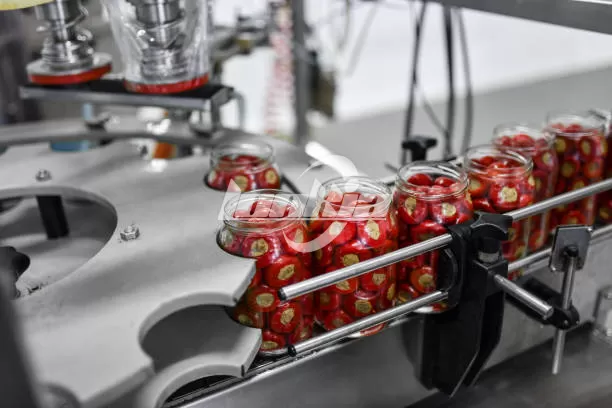
In modern food and beverage production and canning processes, vacuum capping machines are essential equipment for ensuring product seal quality and stability. For food enterprises, understanding the principles and value of this equipment not only enhances production efficiency but also aids in quality control and reduces the risk of returns caused by oxidation or secondary contamination.
Learn MoreCanning Production Line: A Complete Overview of All Food Types
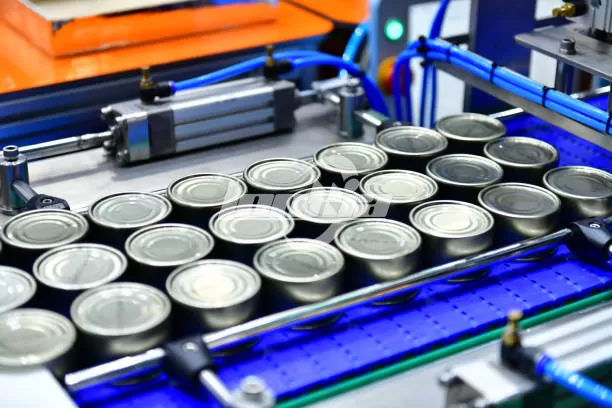
In the modern food processing industry, canning production lines have become critical equipment systems for enhancing efficiency, ensuring food safety, and reducing labor costs. Depending on the type of food—such as fruits, vegetables, meats, or seafood—the configuration and functionality of canning production lines vary. This article will help customers quickly grasp how to select the appropriate turnkey equipment solutions for their factories.
Learn MoreCanned Food Production Line Guide: What Foods Can Be Processed?
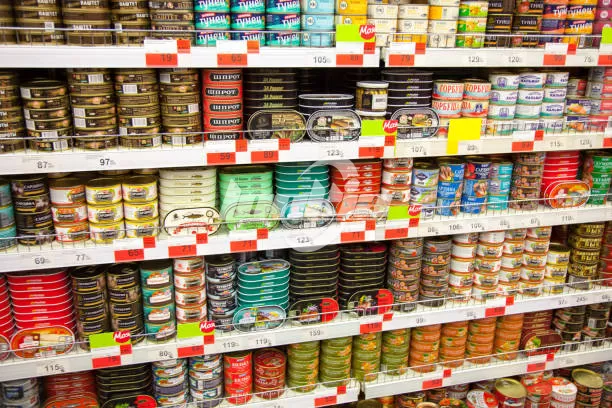
In the food processing industry, a canned food production line is a fully automated system specifically designed to transform raw materials such as vegetables, fruits, meats, and seafood into canned goods through processes including washing, cutting, filling, sterilization, and sealing. As a leading equipment solutions provider, Lonkia offers complete canned food processing systems to help food factories achieve efficient, safe, and stable canned product manufacturing.
Learn MoreCustomization Options for Fruit, Vegetable, Meat and Seafood Canned Food Production Line
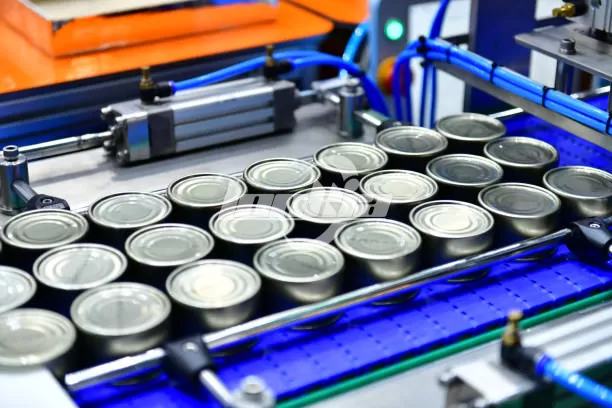
For enterprises engaged in canned fruit, vegetable, meat, or seafood processing, raw material types, processing techniques, and final product standards vary significantly. A standardized canned food production line often struggles to fully meet the processing demands of different products. Customized design enables equipment to better align with clients' production objectives in terms of structure, functionality, speed, and process flow, thereby significantly enhancing line utilization and finished product quality.
Learn MoreCan Filling Machine Price: What Determines the Cost?
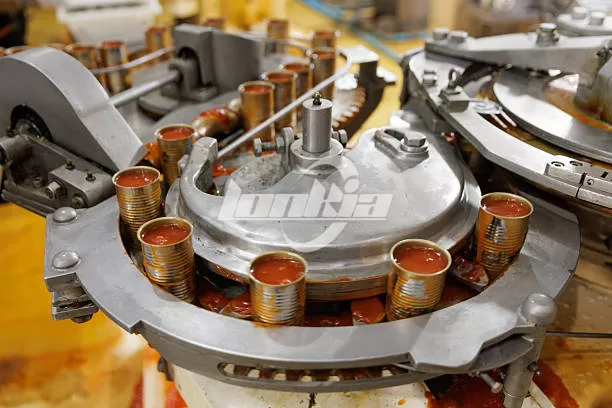
In the food and beverage production industry, can filling machines are indispensable core equipment. For many customers, the primary concern before purchasing is the can filling machine price. Why do quotes vary significantly between manufacturers? What factors directly impact equipment costs? This article will help you understand the key factors influencing can filling machine prices from a customer perspective, enabling more informed purchasing decisions.
Learn MoreTop Benefits of Using a Can Filling Machine for Your Canned Food Production Line
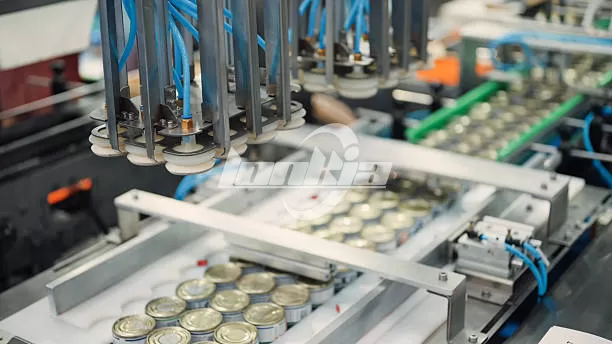
In the modern food and beverage industry, production capacity is one of the most critical metrics for businesses. Utilizing can filling machines enables rapid, continuous filling operations, significantly reducing manual labor time. For factories processing thousands or even tens of thousands of cans daily, these machines ensure stable canned food production line operation, meeting the demands of large-scale manufacturing.
Learn MoreHow Ready-to-Eat Food Canning Lines Improve Packaging Efficiency
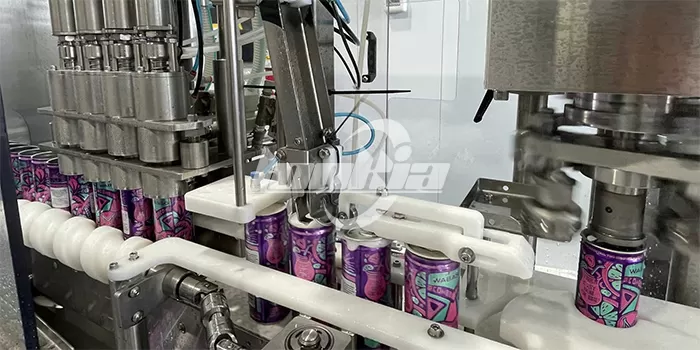
The ready-to-eat (RTE) food market has grown rapidly due to busy lifestyles and the demand for convenience. To keep up with consumer expectations, manufacturers must rely on efficient canning lines that streamline packaging without compromising food safety or quality. This article explores how modern RTE food canning lines improve packaging efficiency while maintaining consistency and compliance.1. The Role of Canning in Ready-to-Eat Food ProductionCanning is one of the most reliable preservation methods for RTE meals, allowing them to remain shelf-stable while retaining flavor and nutrition. A well-…
Learn MoreCanned Pet Food Production Lines: Automation & Compliance Standards
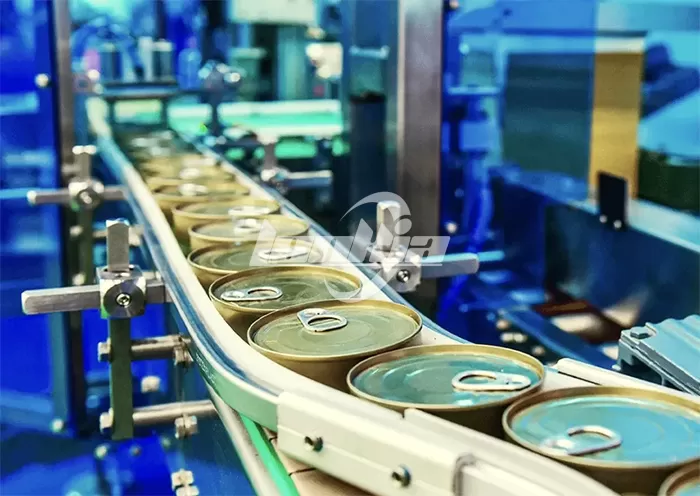
The global demand for canned pet food continues to grow as consumers seek safe, nutritious, and convenient options for their pets. To meet this demand, manufacturers must design production lines that combine automation, efficiency, and strict compliance with safety standards. This article explores the essential elements of canned pet food production lines and the role of automation and regulatory compliance.1. Why Automation Matters in Pet Food ProductionAutomation is at the core of modern canned pet food lines, bringing numerous advantages:Consistent Quality – Automated dosing and mixing ensure the same…
Learn MoreHow a Retort Sterilizer Enhances the Safety of Your Canned Food Production Line?
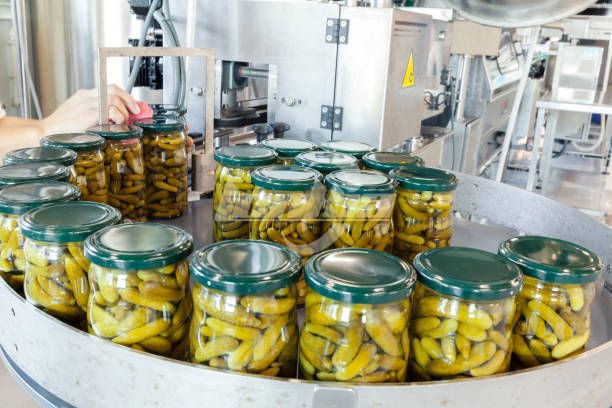
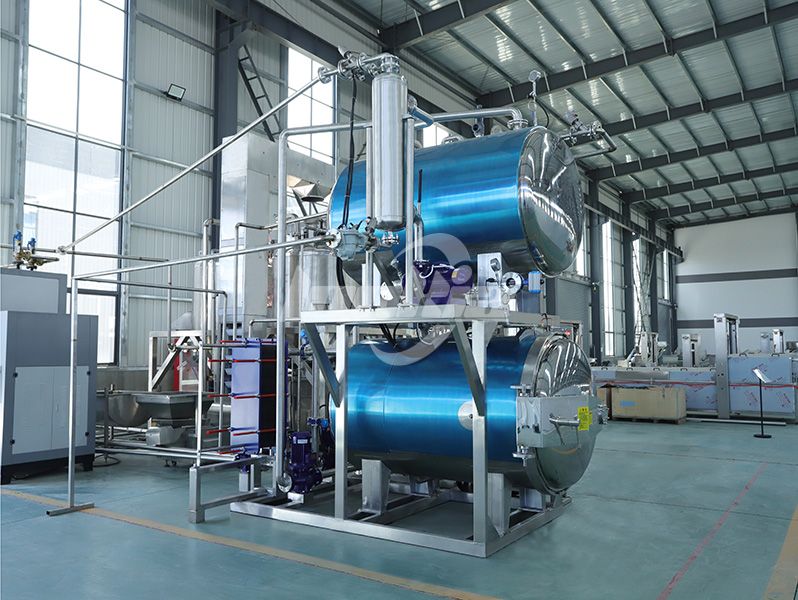
In the processing of canned foods, food safety is always the top priority for customers. Whether it's canned fruits and vegetables, canned meats, or ready-to-eat meals, the reliability of the sterilization process directly impacts product shelf life, microbial control, and market access. As a critical component of the canned food production line, the retort sterilizer is one of the key pieces of equipment ensuring food safety.
Learn MoreBatch vs. Continuous Canned Production Lines: A Complete Comparison Guide
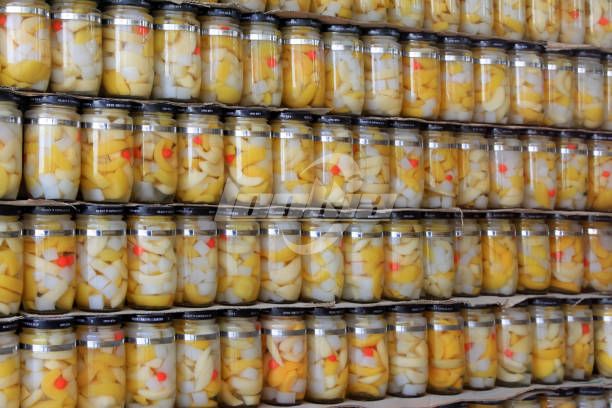
When purchasing a canned food production line, customers often face an important choice: should they opt for a batch-type production line or a continuous production line? These two systems differ significantly in terms of structure, production capacity, and operational modes, and they are suited for different application scenarios. This article will conduct an in-depth analysis of the differences between these two types of canned production line to help customers make informed decisions based on their actual needs.
Learn More