
In the modern food processing industry, canning production lines have become critical equipment systems for enhancing efficiency, ensuring food safety, and reducing labor costs. Depending on the type of food—such as fruits, vegetables, meats, or seafood—the configuration and functionality of canning production lines vary. This article will help customers quickly grasp how to select the appropriate turnkey equipment solutions for their factories.
Structural Differences in Canning Production Lines for Various Food Types
Different product types have varying requirements for cleaning, cutting, pretreatment, filling, and sterilization processes on the production line.
- Fruits and vegetables: Require specialized washing machines, peeling machines, and sorting equipment to ensure the cleanliness and integrity of the raw materials.
- Meat and seafood: Prioritize uniform cutting, stable temperature control, and precise sterilization, requiring high-strength mechanical structures and higher standards of hygiene design.
Regardless of the food type, the core processes of the entire production line include cleaning, pretreatment, filling, sealing, sterilization, and cooling to ensure the safety and consistent quality of the finished product.
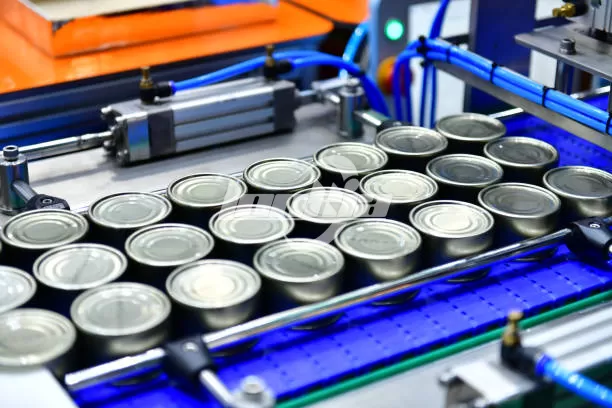
Key Equipment and Core Performance of Canned Food Production Lines
A high-quality canned food production line typically includes the following equipment, each directly impacting final product quality:
- Automatic Washing Machine: Removes sand and impurities to ensure raw material hygiene.
- Quantitative Can Filling Machine: Delivers high filling precision to minimize material waste.
- Automatic Vacuum Capping Machine: Ensures consistent sealing strength to prevent leakage and can swelling.
- Continuous Sterilization Equipment: Provides precise temperature control to guarantee food safety and flavor retention.
- Cooling Equipment: Rapidly lowers temperature to preserve product texture and stability.
Lonkia's canning production lines feature high durability and stability in structural design, safety control systems, and material strength, making them suitable for long-term continuous operation.
Key Considerations for Customers Before Purchase
When selecting a canned food production line, customers should focus on these core metrics:
1. Does the production capacity meet current and future needs?
Filling speed, sterilization capacity, and sealing efficiency directly determine overall line output.
2. Overall line cost versus return on investment
Investment encompasses not only equipment expenses but also long-term operational costs like maintenance, consumable replacements, and labor savings.
3. Flexibility for processing diverse products
If a company handles multiple raw materials, the production line must offer adaptability and switching capabilities.
Selecting the appropriate canned food production line significantly enhances production stability, reduces labor costs, and ensures consistent product quality.
Conclusion
The canning production line is a critical piece of equipment for food processing enterprises to enhance their core competitiveness. Selecting the appropriate line configuration can provide customers with significant advantages in production efficiency, cost control, and food safety. Lonkia offers customized solutions tailored to different food types, creating highly efficient and stable canning production lines for our clients.