
Canning is one of the most reliable methods of preserving food, ensuring long shelf life while retaining flavor and nutritional value. Modern canning production lines are designed for efficiency, hygiene, and consistency, making them essential in industries such as food, beverages, and pet food manufacturing. This article provides a step-by-step overview of a typical canning production line workflow, from raw material preparation to final packaging.
1. Raw Material Preparation
The process begins with cleaning and sorting raw materials such as vegetables, fruits, meat, or seafood. Specialized machines like vegetable washers, blanchers, or meat cutters ensure that the ingredients are properly cleaned and cut to size before entering the filling stage.
2. Blanching or Pre-Cooking
Certain foods require blanching or pre-cooking to:
Inactivate enzymes.
Preserve color and texture.
Reduce microbial load.
This step prepares ingredients for long-term preservation inside cans.
3. Filling the Cans
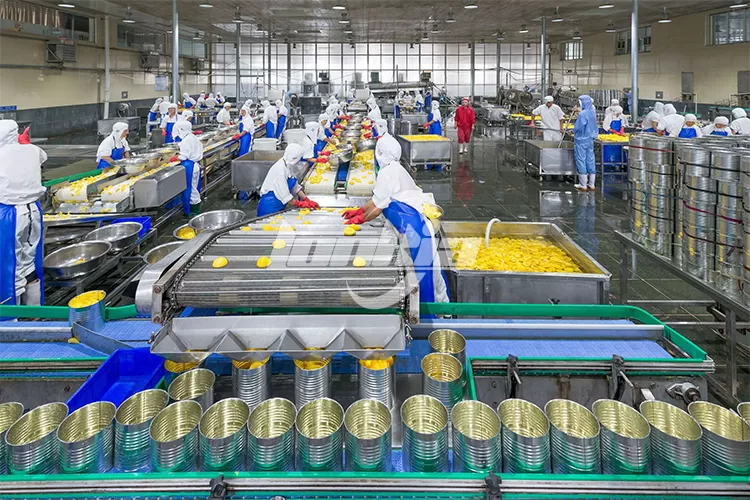
Clean, sterilized cans are automatically fed into the production line. Ingredients are filled using precision filling machines, ensuring consistent weight and volume for each can. Liquids such as brine, syrup, or sauce may be added depending on the recipe.
4. Seaming (Lid Application)
Once filled, cans are sealed with lids using can seamers. The double-seaming process creates an airtight seal, preventing contamination and leakage during sterilization and storage.
5. Sterilization / Retort Processing
Sealed cans undergo sterilization in retort machines (autoclaves), where they are exposed to high temperature and pressure. This step kills bacteria, spores, and other microorganisms, ensuring food safety and extended shelf life.
6. Cooling
After sterilization, cans are rapidly cooled to prevent overcooking and maintain product quality. Cooling can be done with water sprays or immersion systems.
7. Labeling and Coding
Once cooled, cans move to labeling machines where product labels are applied. Date coding and batch numbers are also printed to ensure traceability and compliance with regulations.
8. Secondary Packaging
Cans are packed into cartons, shrink wraps, or crates for transportation. Automated packing systems speed up this process and reduce labor requirements.
9. Quality Control and Inspection
Throughout the production line, inspection systems such as X-ray detectors, checkweighers, and visual inspection stations verify seal integrity, fill weight, and product quality.
10. Storage and Distribution
Finally, packaged cans are stored in warehouses before distribution to retailers or wholesalers. Proper inventory management ensures efficient supply chain operations.
Conclusion
A canning production line is a highly automated system that ensures food products are processed, sealed, sterilized, and packaged safely for global distribution. By understanding each step—from raw material preparation to final packaging—manufacturers can maintain high efficiency, product quality, and compliance with food safety standards.