
The ready-to-eat (RTE) food market has grown rapidly due to busy lifestyles and the demand for convenience. To keep up with consumer expectations, manufacturers must rely on efficient canning lines that streamline packaging without compromising food safety or quality. This article explores how modern RTE food canning lines improve packaging efficiency while maintaining consistency and compliance.
1. The Role of Canning in Ready-to-Eat Food Production
Canning is one of the most reliable preservation methods for RTE meals, allowing them to remain shelf-stable while retaining flavor and nutrition. A well-designed canning line ensures:
Accurate portioning of liquids and solids.
Hermetic sealing for long-term preservation.
Sterility through controlled retort sterilization.
Shelf-life extension without artificial preservatives.
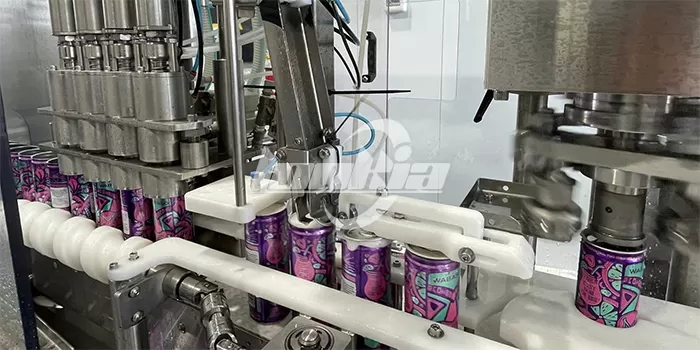
2. How Canning Lines Improve Packaging Efficiency
a) Automated Filling Systems
High-speed fillers precisely dose solid and liquid components, ensuring consistency across every can.
Multi-head filling technology allows different recipes (e.g., pasta, soups, curries) to be handled without changing equipment.
b) High-Speed Seaming & Sealing
Automated seamers ensure hermetic closures at thousands of cans per hour.
Advanced vision systems detect faulty seams, reducing waste and recalls.
c) Integrated Sterilization & Cooling
Continuous retort systems sterilize cans quickly and consistently.
Automated cooling prevents overcooking and maintains product texture.
d) Smart Packaging Lines
Inline labeling, coding, and carton packaging systems reduce manual labor.
IoT-enabled monitoring helps optimize uptime and minimize bottlenecks.
3. Benefits for Manufacturers
Higher Throughput – Automation increases production speed and minimizes downtime.
Cost Reduction – Efficient packaging reduces labor costs and product loss.
Quality Assurance – Consistent sealing and sterilization ensure food safety.
Flexibility – Modern canning lines can handle multiple RTE products with minimal adjustments.
4. Trends in RTE Food Canning Lines
Sustainability – Energy-efficient retorts, lightweight cans, and recyclable materials.
Customization – Lines adapted for single-serve portions, family-size cans, or specialty diets.
Digitalization – Real-time data collection improves predictive maintenance and compliance.
Hygienic Design – CIP (Clean-in-Place) systems ensure food safety with minimal downtime.
Conclusion
Modern ready-to-eat food canning lines play a vital role in improving packaging efficiency. By integrating automation, high-speed filling, sterilization, and smart monitoring systems, manufacturers can boost throughput, reduce costs, and deliver consistent, safe, and high-quality meals to consumers worldwide.