
Selecting the right automatic vacuum capping machine involves more than just comparing equipment prices or processing speeds. For food processing companies, bottle types, cap specifications, production line capacity, capping methods, and the integration between equipment all directly impact the final production results. Choosing the right model can help maintain a stable capping speed on the production line and reduce issues such as loose caps and poor seals.
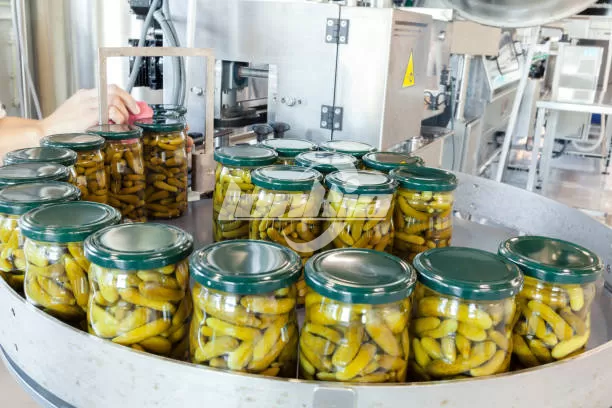
Confirm Container and Cap Specifications
Do the bottle neck dimensions match?
Before selecting a vacuum capping machine, you must first confirm the type of container and the neck diameter used for your product. Different bottle types have varying neck diameters, cap structures, and thread types, so the machine's capping mechanism must be appropriately matched.
LONKIA's automatic vacuum capping machines are suitable for cap diameters ranging from 30 to 60 mm and are configured for a single cap type. Therefore, when purchasing, it is best to provide actual bottle and cap samples rather than just the product name.
The cap type is equally important
The equipment can be adapted to accommodate various packaging requirements, including tin caps and screw-on caps. When requesting a quote, customers should specify the cap material, diameter, and capping method to ensure the appropriate capping mechanism is selected.
Selecting Equipment Based on Production Line Capacity
If the speed of the upstream filling machine is significantly lower than that of the capping machine, the capping machine's high processing capacity cannot be fully utilized; Conversely, if the capping machine's speed is too low, it may become a bottleneck for the entire production line.
This automatic vacuum capping machine has a production capacity of 1,800–2,200 bottles per hour. Therefore, when selecting equipment, the speeds of filling, conveying, capping, and subsequent processes should be considered collectively, rather than simply comparing the rated capacity of a single machine.
Pay Attention to Vacuum and Capping Control Methods
The core of vacuum capping is not simply tightening the cap, but rather achieving a stable seal in the container through the coordinated action of vacuum extraction and the capping process.
The equipment utilizes servo technology for precise control and is equipped with a touchscreen and a programmable logic controller (PLC), allowing operators to easily adjust and manage operating parameters. For food processing lines requiring continuous production, this control method helps maintain capping consistency across different product batches.
Check Whether the Equipment Can Be Integrated into the Existing Production Line
Before purchasing, it is also necessary to confirm the conveyor belt height, equipment dimensions, and connection methods with upstream and downstream equipment. The equipment measures approximately 3000 × 1200 × 1680 mm, with a conveyor belt height of 750 ± 50 mm.
If the automatic vacuum capping machine needs to be connected to a filling machine, conveyor, sterilization equipment, or labeling equipment, interfaces and layout should be confirmed in advance to avoid height or space mismatches upon delivery.
What Information Should Be Prepared Before Purchasing?
To obtain an accurate equipment proposal and quotation, we recommend that customers provide the following information in advance:
- Container type and dimensions
- Bottle mouth diameter
- Cap diameter and type
- Target production capacity
- Product name
- Existing production line equipment
- Voltage and power supply requirements
- Whether integration with other equipment is required
Ensuring the Equipment Truly Meets Production Needs
A suitable automatic vacuum capping machine should serve the entire production line, rather than focusing solely on a single parameter. LONKIA can provide corresponding equipment configurations based on the customer's container specifications, cap types, and production capacity requirements, helping customers move from selecting capping equipment to implementing a complete production line integration solution.
For companies currently procuring vacuum capping equipment, confirming packaging specifications and production line parameters before determining machine configurations is typically more important than simply comparing prices.