
When planning a canned tuna processing project, the cost of the canned tuna manufacturing plant is a key factor in the client's decision-making process. For buyers, understanding the function and cost proportion of each piece of equipment is far more important than simply requesting a quote.
Analysis of the Complete Production Line Equipment Configuration
A standard canned tuna production line adopts a continuous design, with main equipment including:
- Raw material thawing and washing system
- Steam pre-cooking equipment
- Deboning and cutting equipment
- Automatic volumetric filling machine
- Vacuum can sealer
- High-temperature sterilization retort
- Conveying and packaging system
Each stage is connected via an automated conveying system to ensure stable and efficient operation. The degree of compatibility between equipment directly impacts the overall line efficiency and the final product quality.
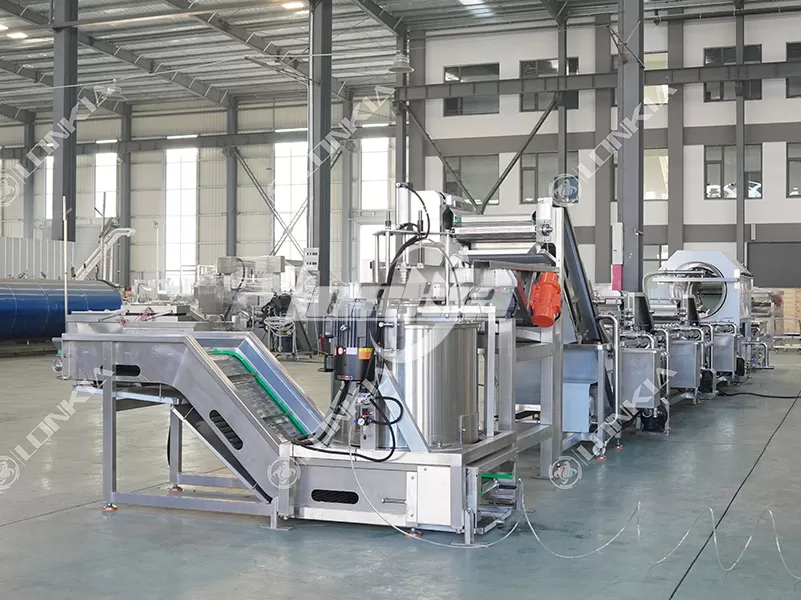
Core Components of Canned Tuna Manufacturing Plant Costs
Plant costs are primarily concentrated in the following modules:
1. Raw Material Processing Equipment
Includes equipment for thawing, washing, cutting, etc.
👉 Function: Ensures continuity in raw material processing and reduces manual intervention
2. Pre-cooking and Processing Equipment
The steam pre-cooking system is one of the key pieces of equipment
👉 Impact: Fish meat tenderness, yield, and texture consistency
3. Filling and Canning Systems
Automatic filling equipment
Vacuum canning machines
👉 Core Value: Ensures weight consistency and reliable sealing
4. Sterilization Systems
High-temperature, high-pressure retorts are a key investment focus for the entire line
👉 Directly impacts food safety and product shelf life
5. Conveying and Auxiliary Systems
Automatic conveying, cooling, packaging, etc.
👉 Determines the overall smooth operation of the production line
Equipment Investment Range and Reasonable Expectations
Based on industry experience, the equipment investment for a complete canned tuna production line typically falls within the mid-to-high range. Key factors influencing pricing include:
- Production capacity
- Level of automation
- Equipment brand and configuration
- Whether the design is customized
It is important to note that price is not the sole criterion; equipment stability and long-term operational reliability are of greater value.
Key Equipment Factors Affecting Costs
1. Level of Automation
The higher the level of automation:
- The lower the labor costs
- The greater the production stability
- The higher the initial investment
2. Equipment Compatibility and Layout
A rational equipment layout can:
- Reduce material waste
- Improve operational efficiency
- Lower maintenance costs
3. Sterilization System Configuration
Different types of sterilization equipment (steam-type/spray-type)
👉 Show significant differences in cost and application scenarios
4. Materials and Manufacturing Processes
Food-grade stainless steel (e.g., SUS304) is the mainstream choice
👉 Determines equipment durability and long-term operational stability
How to Optimize Costs for a Canned Tuna Manufacturing Plant
- Prioritize core equipment configurations: For equipment such as can sealing machines and retort autoclaves, quality and performance should be prioritized, as these directly impact product yield rates.
- Adopt a modular design approach: By configuring the production line in phases, you can reduce initial investment pressure while reserving space for future expansion.
- Select a turnkey solution provider: Compared to purchasing individual machines, turnkey solutions offer advantages in equipment compatibility, installation and commissioning, and post-installation maintenance.
For example, Lonkia can provide customized configuration solutions based on different customer needs, optimizing the overall investment structure while ensuring equipment performance.
Conclusion: Equipment Determines Cost Structure
The essence of the cost of a canned tuna manufacturing plant lies in equipment configuration costs.
A truly reasonable investment should focus on:
- Production line stability
- Level of automation
- Equipment service life
- Long-term operating costs
Only by selecting an equipment solution that matches production needs can efficient production and stable returns be achieved.